


Global
Outlook
APRIL 2026
We have identified the following key developments and trends to watch globally over the coming month.
Analysis provided by Seerist’s strategic partner Control Risks
1
The ongoing conflict involving Iran is likely to maintain geopolitical tensions and contribute to regional instability.
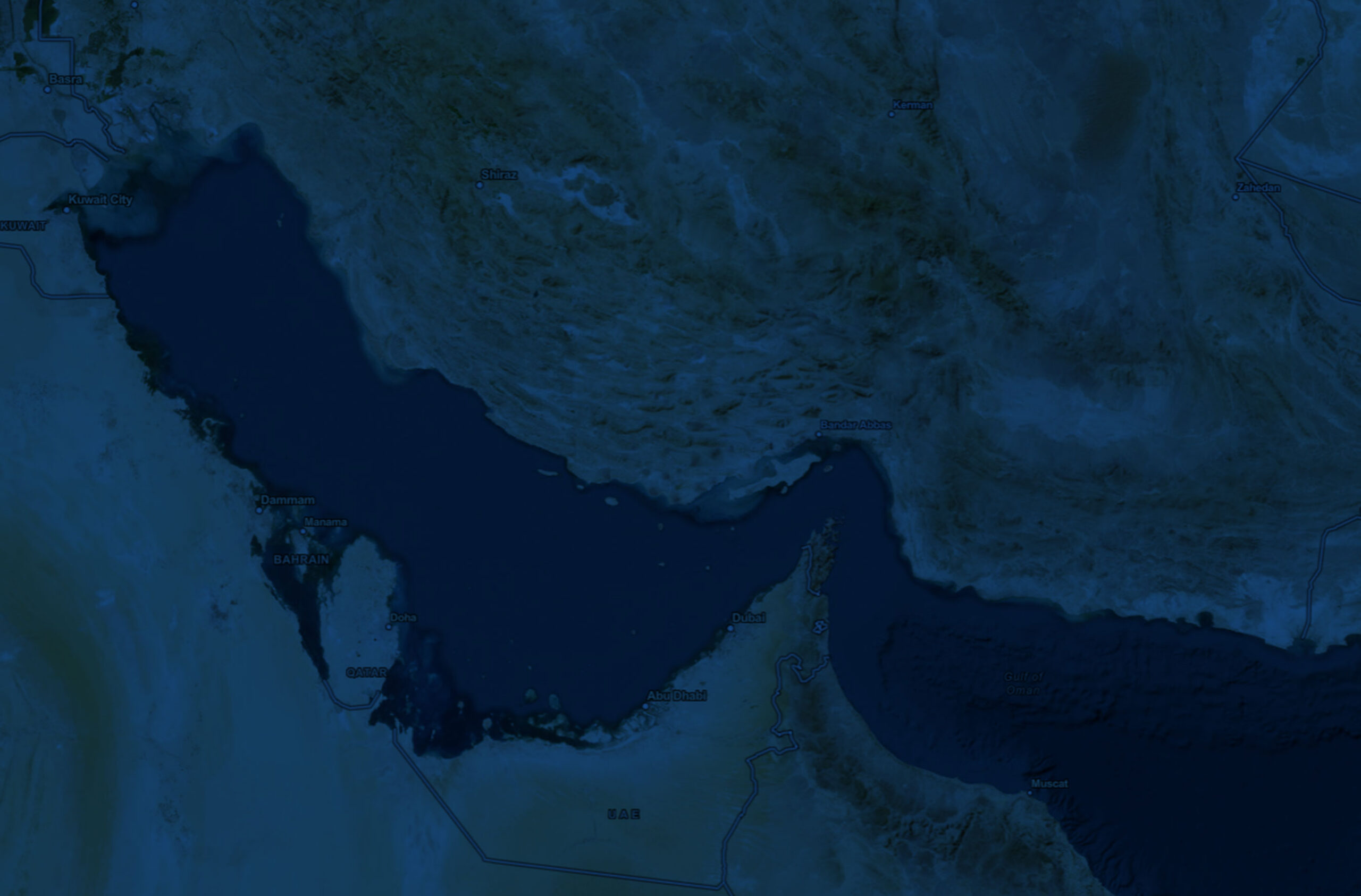
The Strait of Hormuz will continue to be a strategic focal point affecting global supply chains. Even if the Strait reopens in the short term, closures and limited operations at refineries and downstream facilities are likely to result in persistent shortages of key commodities over the coming months. Additionally, the decision by European countries not to directly participate in the conflict is likely to prolong transatlantic tensions. Meanwhile, Asian countries will seek new alliances to secure oil and liquefied natural gas (LNG) supplies, including potential partnerships with Russia.
2
Extremist threats are likely to increase around the Jewish Passover (Pesach) holiday (1-9 April) and the Christian Easter holiday (2-5 April), prompting authorities to enhance security measures around religious schools and places of worship.
The US and Israeli war with Iran has increased threat actors’ intent to target Jewish, Israeli and US interests, including individuals and religious or cultural sites. A rise in attacks by Iran-aligned, Lebanese Shia movement Hizbullah on Israeli military targets and urban centres drove a surge in global terrorism incidents recorded by Seerist in March. Radicalised individuals, connected to Islamic State (IS) or sympathetic to Iran, pose the main threat in Western countries.
3
Europe and Asia face an increased risk of energy supply disruptions, likely leading to more government intervention and higher chances of industrial and social unrest in the coming weeks.
Central banks may raise interest rates further as energy-driven inflation persists. Upcoming meetings include those of the Bank of Japan (27-28 April), the US Federal Reserve (28-29 April), the Bank of England (30 April) and the European Central Bank (30 April). Governments will continue to enact policies to control power use, supply and pricing. Energy supply issues and elevated prices are likely to persist for several weeks, with oil flows likely to return to normal only after a conflict resolution.
4
Anti-war, pro-Palestinian and climate activists are likely to stage protest actions during annual general meetings (AGMs) set to be held over the coming weeks.
The most likely actions will be peaceful protests targeting companies linked to the energy, finance and defence sectors, particularly those with business operations linked to Israel and/or Russia. Violent attacks against executives at AGMs are very unlikely, though activists have growing intent to target individuals to garner media attention, such as by targeting executives’ homes with large installations or using the images of CEOs on protest signs. Heightened security measures surrounding major events will mitigate the impacts of protest actions.
In this outlook, Control Risks’ analysts share their views on key trends and events to monitor over the next month. This is not intended to be an exhaustive list but gives a selection of issues that our teams around the world feel are particularly relevant, interesting or important. To give feedback or suggestions on the outlook, please contact support@seerist.com.
Sources:
“Asian refineries, petchem firms cut runs as Iran war disrupts supplies”, Reuters
“From Tehran to Europe: Terrorism Risks After the Killing of Iran’s Ayatollah”, ICCT
“Fuel rations and free buses: How countries are responding to rising oil prices”, BBC
“Climate investors give BP until April 1 to include resolution or risk court action”, Reuters
Control Risks
Let’s get started
Stay ahead of emerging risks and opportunities with intelligence that matters.