




Global
Outlook
May 2026
We have identified the following key developments and trends to watch globally over the coming month.
Analysis provided by Seerist’s strategic partner Control Risks
1
A ceasefire is in place between the US, Israel and Iran. However, the Strait of Hormuz remains for all intents and purposes blocked.
Negotiations in Pakistan also remain at a stalemate. Our most likely scenario is that the US-Iran ceasefire holds over the coming days but will remain fragile as negotiations stall through May. The US will keep its military options open, including a potential resumption of air strikes or a limited ground operation, should negotiations remain stalled over the coming weeks. In our credible alternative scenario, the ceasefire collapses and triggers a re-escalation of the conflict.
2
Pro-Palestinian and anti-war activists will likely hold demonstrations on 15-16 May, coinciding with Nakba Day.
Pro-Palestinian and anti-war activists will likely hold demonstrations on 15-16 May, coinciding with Nakba Day – a term Palestinians use to refer to when more than 700,000 Arabs fled or were expelled during the creation of Israel. Protests will likely attract the highest participation in Europe, North America, the Middle East and parts of Asia. The majority of protests will remain peaceful. There is also a heightened risk of military clashes between Israel, Palestinian Islamist militant group Hamas, Lebanese Shia movement Hizbullah and Iran around the same period.
3
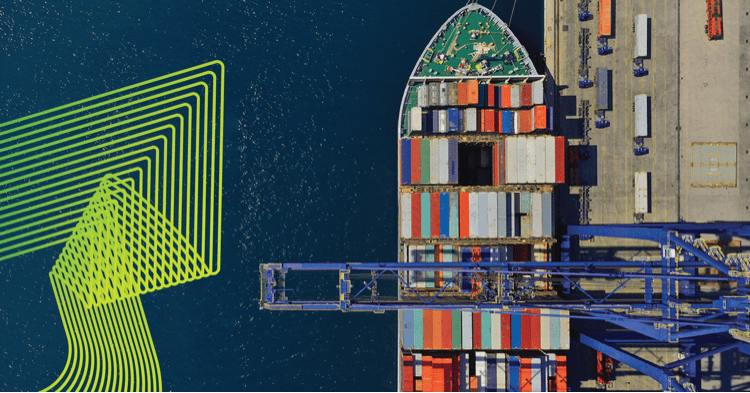
Prolonged disruption to traffic through the Strait of Hormuz to the end of May would significantly increase food insecurity and civil unrest risks.
Unlike past food price crises, stable global stocks, muted Chinese demand, potential positive El Niño impacts and a strong US dollar are likely to limit near‑term price spikes, even as upstream fertiliser and feedstock disruptions persist. Farmers are already adjusting behaviour by switching crops, reducing fertiliser use and stretching inputs, which will raise yield risks and amplify exposure to weather shocks later in 2026.
4
Governments are gathering at the UN in New York (US) through 22 May to review progress on commitments in the Treaty on the Non-Proliferation of Nuclear Weapons (NPT).
After a cycle of Preparatory Committee meetings and two successive Review Conferences that failed to produce finalised documents through a consensus, this meeting will test whether the NPT can continue to underpin global nuclear governance. With the New Strategic Arms Reduction Treaty (START) having ended in February and conflict in the Middle East persisting, international arms control will likely remain fragile, limiting prospects for meaningful alignment on key issues.
In this outlook, Control Risks’ analysts share their views on key trends and events to monitor over the next month. This is not intended to be an exhaustive list but gives a selection of issues that our teams around the world feel are particularly relevant, interesting or important. To give feedback or suggestions on the outlook, please contact support@seerist.com.
Sources:
“Trump cancels his envoys’ Pakistan trip for Iran ceasefire negotiations”, The Guardian
“Nakba 78: March for Palestine”, Palestine Campaign
“World Food Situation”, UN FAO
“Review Conference of the Parties to the Treaty on the Non-Proliferation of Nuclear Weapons (NPT)”, UN
Control Risks
Let’s get started
Stay ahead of emerging risks and opportunities with intelligence that matters.